
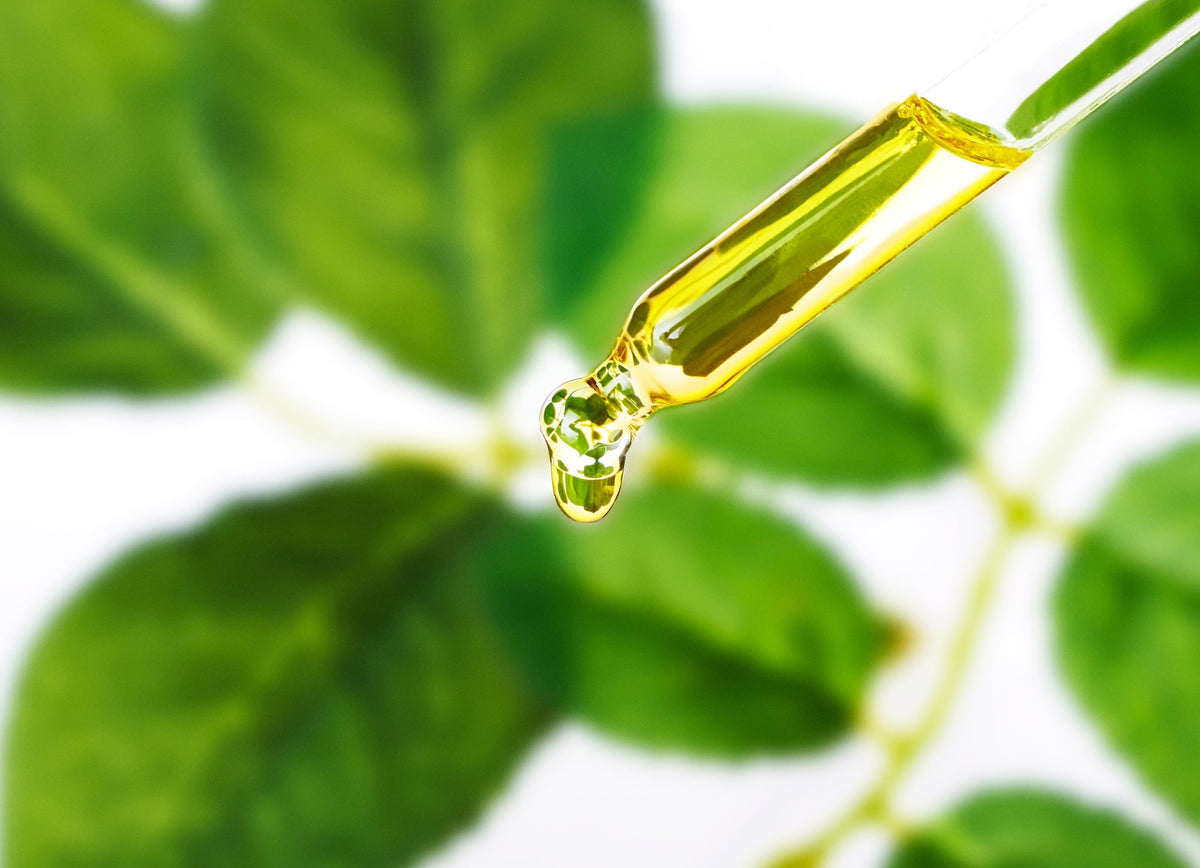
Five Benefits of Using L-ascorbic Acid on your Skin
L-ascorbic acid, or vitamin C as it's better known, is one of the most researched active ingredients in skincare. Before you get into questions about freshness, oxidation or which concentration to buy, it's worth starting with the basics: what does topical vitamin C actually do for your skin?
Used topically as part of a regular, consistent routine, L-ascorbic acid delivers a specific set of proven benefits, from a brighter, more even complexion to visible anti-ageing effects. Here are the five core benefits worth knowing before you add it to your routine.
Protects from UV damage and environmental pollution
We all know how damaging UV rays and environmental pollution can be for the skin. Luckily, vitamin C is a super antioxidant! This means that damage caused by harmful UV rays and pollutants can be reversed by its powerful antioxidant action.
*(It should be noted that nothing replaces SPF and this should remain one of the crucial steps in your daily skincare routine. Use an SPF ideally above factor 30 and preferably factor 50).
Increases collagen production
L-ascorbic acid plays a critical role in the maintenance of collagen in the skin. This means that using a serum rich in L-ascorbic acid can lead to smoother, younger looking skin - yes, that does mean fewer wrinkles and fine lines with no scalpel in sight!
Evens out skin tone
People who suffer from blemishes such as acne scars and pigmentation also benefit from applying serums rich in this antioxidant. Its strong melanin-inhibiting capability makes vitamin C a brightening agent that can reduce skin discolouration and even out pigmented and scarred skin. This is especially useful for anyone dealing with sun-induced dark spots, since UAE sunshine is a year-round factor rather than a seasonal one, and pigmentation caused by sun exposure tends to build up gradually and unevenly across the face.
Anti-Acne action
L-ascorbic acid contains anti-inflammatory properties which help reduce the redness and swelling that occurs with acne. It also supports the skin's natural healing process, which can help post-breakout marks fade faster rather than lingering for weeks. For anyone prone to breakouts, pairing a vitamin C serum with a targeted treatment like our Skin Karma Anti-Blemish & Pigmentation Serum can address both the active blemish and the tone it leaves behind.
A great source of hydration
If you suffer from dry skin, a good vitamin C serum is a must have in your skincare. It permeates the skin's deeper layers, creating an intense hydration that moisturisers alone cannot achieve.
Try our FRESH L-ascorbic acid serum on your skin to see the benefits!
*Please follow the instructions on how to use and the advice given on the product page to ensure the best chance of success. Everyone is unique and responds differently but our serums have a good track record. Use them consistently and you should see noticeable results in 3-6 months. Although some people see results much more rapidly, most people see a gradual improvement over time.
How to Add L-ascorbic Acid to Your Routine
Vitamin C works best applied in the morning, after cleansing and before moisturiser and SPF, so that its antioxidant protection is in place before your skin faces the day's UV and pollution exposure. A few drops on clean, dry skin is enough; there's no need to layer it thickly to get the benefit.
Because it's an active ingredient, it's worth introducing gradually if your skin is new to actives, starting every other day before moving to daily use once your skin has adjusted. Storage matters too: L-ascorbic acid is naturally prone to oxidation, so keep your serum somewhere cool and out of direct sunlight, and always check that it still looks and smells fresh before applying.
Frequently Asked Questions About L-ascorbic Acid
Can I use vitamin C every day?
Yes, and it can be used twice a day, morning and evening, once your skin is used to it. If your skin is new to actives, it's worth easing in with every-other-day use first before building up to twice daily.
Can I use vitamin C with retinol?
Yes, if your skin is robust and you introduce them slowly. Start by using them on alternate days or at different times of day (vitamin C in the morning, retinol at night), and only combine them more closely once your skin has built up tolerance, since together they can be more likely to cause irritation on sensitive or reactive skin.
Why does my vitamin C serum turn orange or brown?
That colour change is oxidation, and it means the serum is losing potency. It happens naturally over time, faster if the serum is exposed to heat, light or air, which is why proper storage and using it within a few months of opening make a real difference.
How long until I see results?
With consistent use, most people notice a gradual improvement in brightness and tone over 3-6 months. Some see visible changes sooner, but skincare results build up over time rather than overnight.

Leave a comment
This site is protected by hCaptcha and the hCaptcha Privacy Policy and Terms of Service apply.